
Custom Components Manufacturer in Ahmedabad
Supreme Engineers is a custom components manufacturer in Ahmedabad with more than 35 years of experience in precision machining. We have the ability to manufacture a variety of custom-made products, from non-standard pulleys, shafts and gears to adaptor parts and complex, critical components. Send a drawing or a sample, and our team will review it, advise on material and tolerance, and quote. This page explains how custom manufacturing works and what to include in your enquiry.
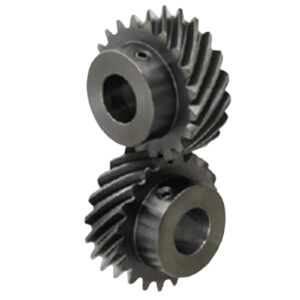
Gears
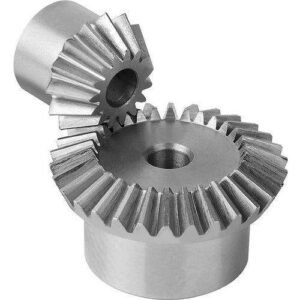
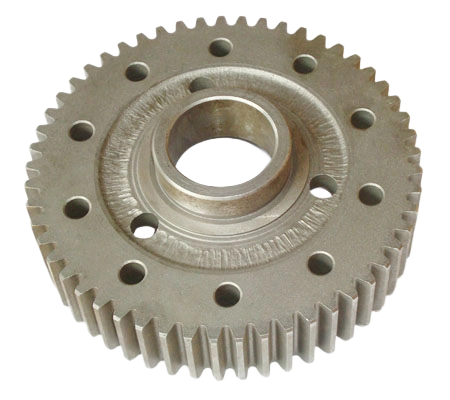
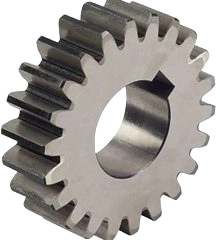
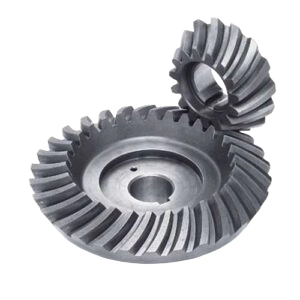
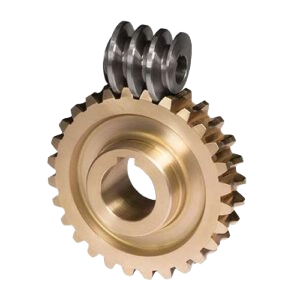
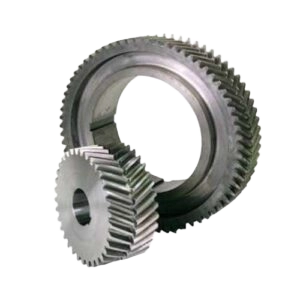
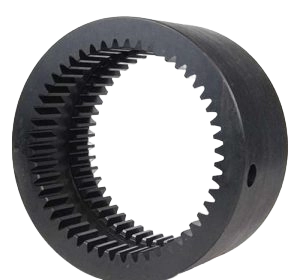
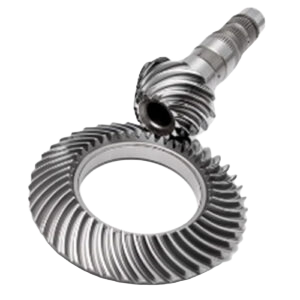
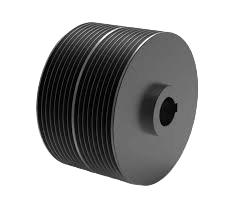
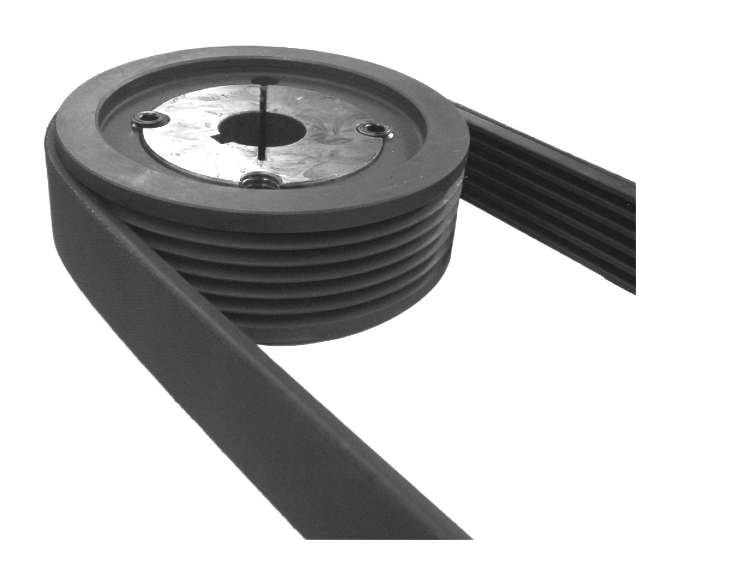
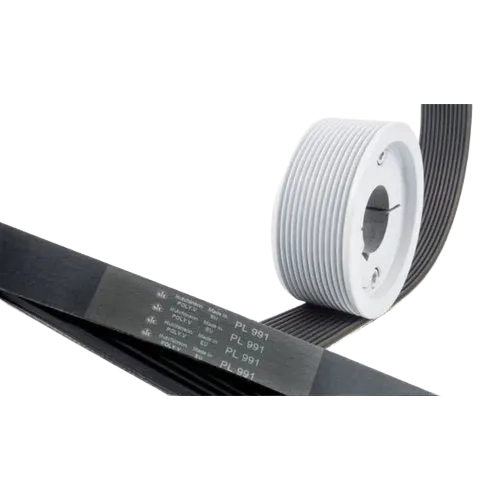
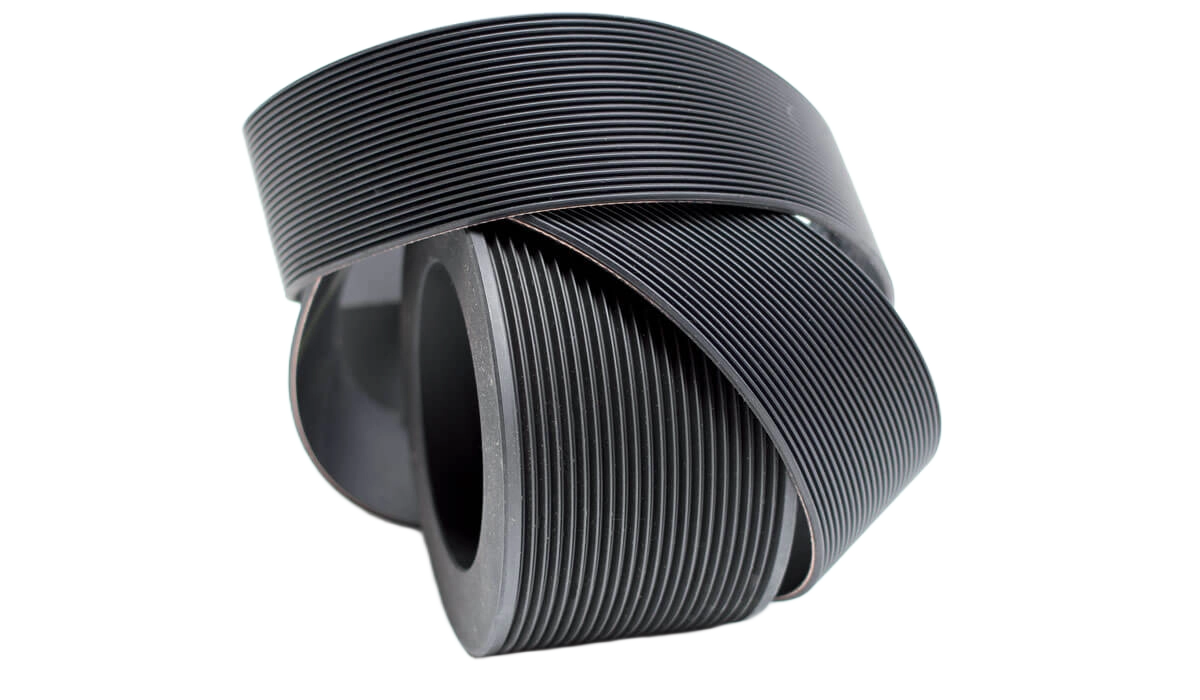
Poly V Pulleys & Belt
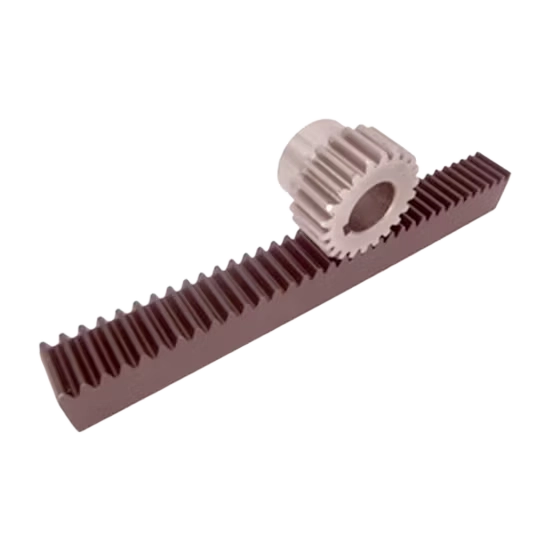
Rack & Pinion
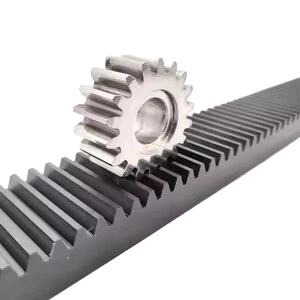
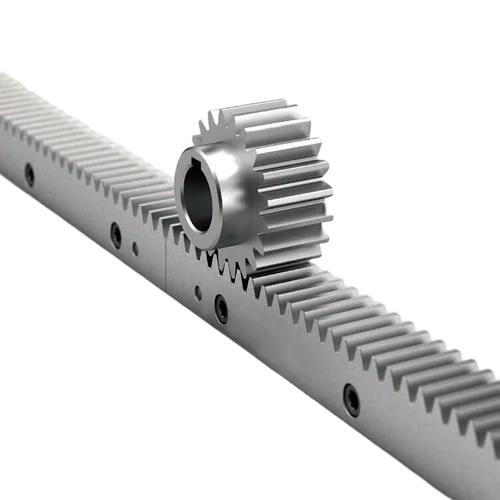
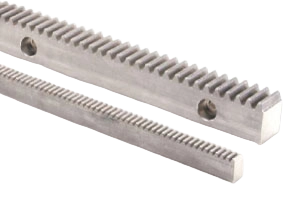
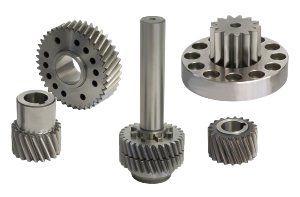
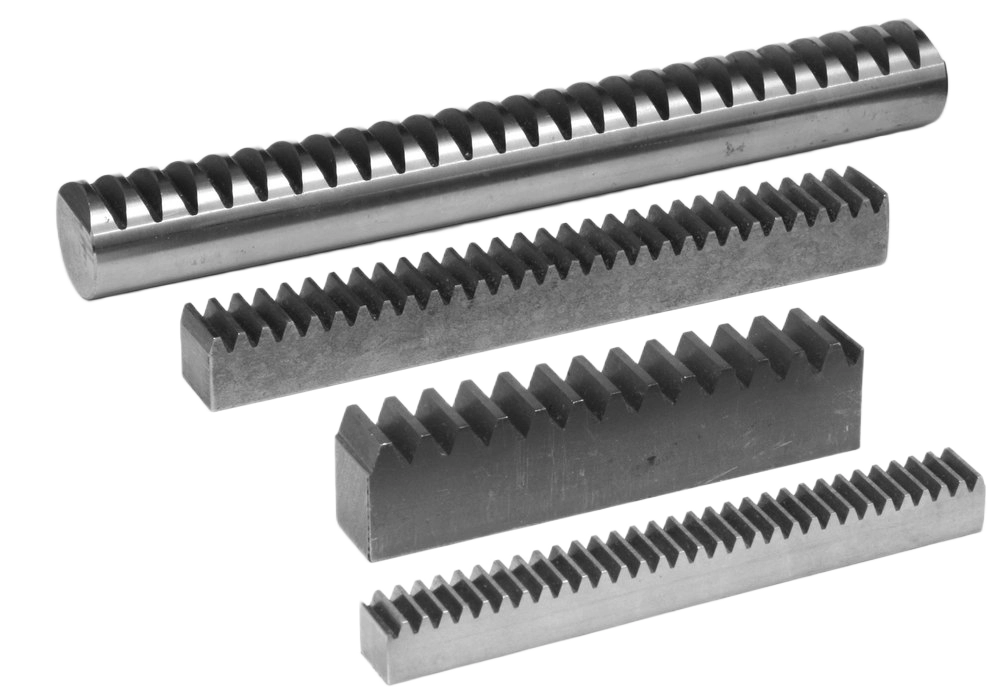
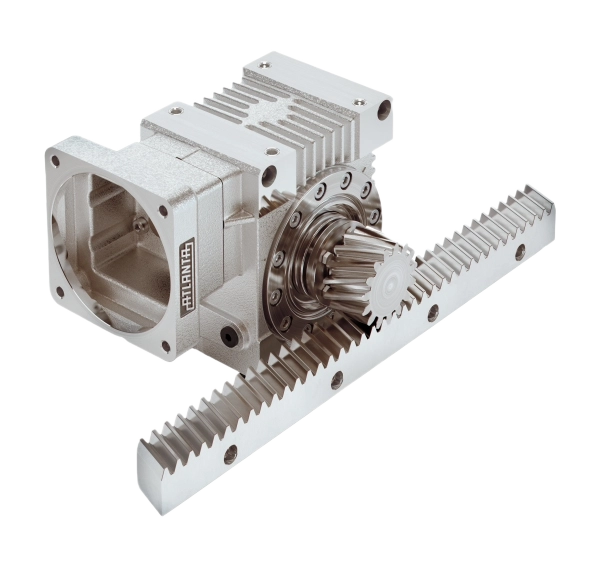
Customised Product
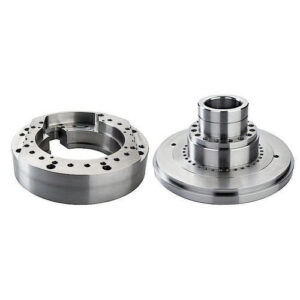
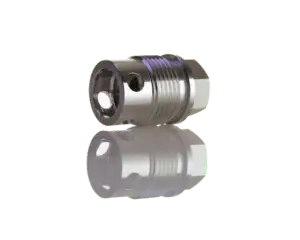
What are custom machined components?
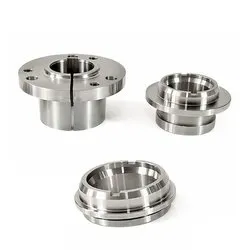
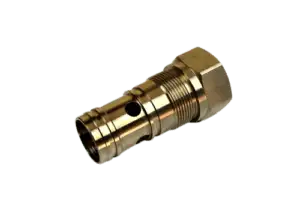
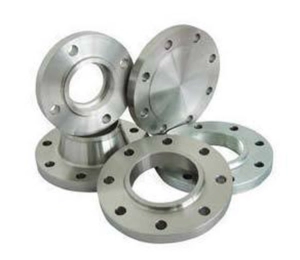
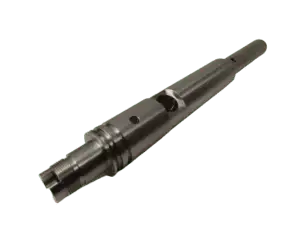
Custom machined components are parts made to your own drawing, sample or specification rather than chosen from a catalogue. They are used when a standard part does not fit the shaft size, space, load, speed or operating environment of a particular machine or process.
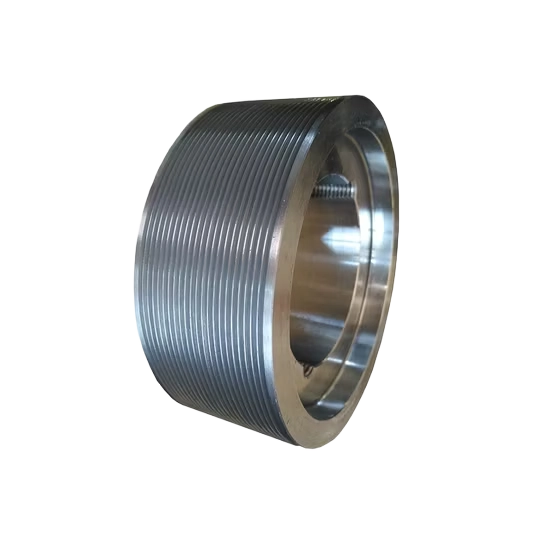
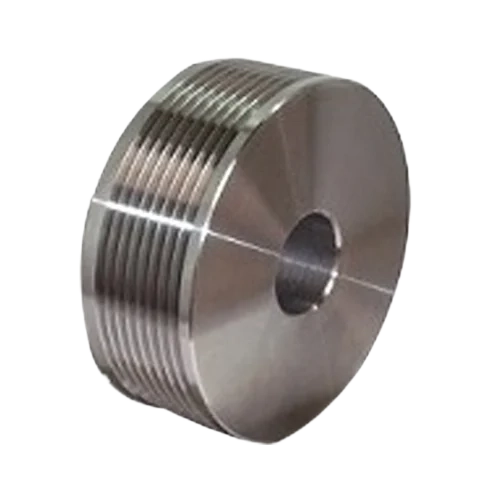
Examples of custom work include a pulley with a special bore or hub length, a gear with a non-standard tooth count, a shaft with specific steps and keyways, a flange or adaptor that joins two components, or a replacement for an obsolete part that is no longer available. Our CNC turning, VMC and gear-cutting equipment covers turned, milled and gear-cut parts. Our standard ranges are on the timing pulleys, gears and couplings and keyless clampex pages.
How does custom manufacturing work at Supreme Engineers?
The process has five stages: you send a drawing or sample; our team reviews feasibility and advises on material and tolerances; we issue a quotation; the part is manufactured and checked; and finished parts are packed and dispatched. You can raise questions at any stage.
Early review is the most valuable stage. Our team checks that the design can be machined as drawn, flags features that add cost without adding function, and suggests alternatives where they help. Agreeing the tolerances that really matter at this stage prevents disputes later and keeps cost sensible.
What information should I include in my enquiry?
Include a dimensioned drawing or the original sample, the material, the quantity, the critical tolerances, any surface treatment, the application and the delivery location. If you have only a worn part, send that with its mating component and a short description of how it is used.
Where possible, mark the dimensions that control fit, such as bore, shaft seat and mounting holes, and state which are critical. Mention the standards you follow and whether you need an inspection report. If the part is for export, tell us the destination so we can plan packing and documents.
What affects the cost and lead time of a custom part?
Cost and lead time depend on the material, size, complexity, tolerances, quantity, surface treatment and current workload. Tight tolerances and difficult features take more machining time, while larger quantities spread setup effort across more pieces. Tell us your timeline in the first message so we can plan the work, and let us know if a feature could be relaxed without harming function, since simpler parts are quicker and cheaper to make. Our team will give a delivery estimate together with the quotation, and will explain what drives the price if you ask.
Which materials and tolerances are used for custom parts?
Machined power transmission parts are commonly made in aluminium, carbon steel, alloy steel or stainless steel. The right choice depends on load, wear, corrosion and weight. Tolerances are set by the function of each feature, with tighter limits only where fit or alignment truly depends on them.
Aluminium gives low weight and good machinability for pulleys. Carbon and alloy steels give strength for gears, shafts and hubs, and are often heat treated where the application demands it. Stainless steel resists corrosion in washdown or damp environments. Ask our team to recommend a material when you describe the duty, and see our tolerances and surface treatments page for finishes.
Can you reproduce an obsolete or worn part?
Often it is possible. Send the worn part, and its mating component if you can, with measurements and a description of its use. Our team will review whether it can be reproduced or improved and will quote. A drawing is helpful but not essential if a sample is available.
Reverse engineering a part means measuring it, understanding what it does and recording the dimensions it needs. Wear patterns show where the original was overloaded, so a replacement can sometimes be improved with a better material or a modified feature.
What about complex or critical components?
Our Unit 2 manufactures orthopaedic implants and similar complex, critical components for other industries. These parts demand close attention to dimensions, finish and documentation. Discuss any regulatory, material or traceability requirements at the enquiry stage so they can be planned correctly.
That experience reflects the discipline we apply to all custom work: understand the requirement, work to the drawing, check what matters and communicate clearly. Learn more about both units on our facilities page.
Frequently asked questions about custom components
Can you make a single prototype or a small quantity?
Send your drawing and the quantity you need, and our team will confirm what is possible and quote accordingly.
Do I need a drawing to get a quote?
A dimensioned drawing is best, but a physical sample, sketch or detailed description can be enough for our team to start. We will tell you what extra information is needed.
What happens after I send my enquiry?
Our team reviews the drawing or sample, asks for any missing details, and replies with feedback on feasibility and a quotation.
Can you work to inch drawings?
Send the drawing in either metric or inch units and state the standard clearly. Our team will review it.
Which industries can you make custom parts for?
Custom parts can serve machine builders and maintenance teams across packaging, textile, printing, automation and general engineering, while our Unit 2 makes complex, critical components for other sectors.
How do I get a quotation?
Use our contact page with the drawing or sample, material, quantity and application. You can also download our product catalogue to check whether a standard part already meets your need.
To start a custom component enquiry, send your drawing or sample, quantity and timeline to our team in Ahmedabad. We will review it and reply with feedback and a quotation. Include the material, quantity, critical tolerances and delivery location so the first reply can be specific.