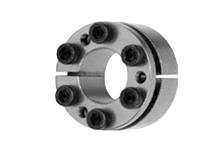
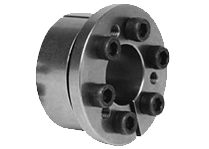
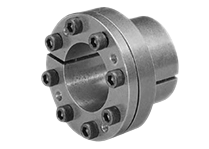
About
The term "keyless clampex" likely refers to a type of clamping device that doesn't
require keys or traditional tightening tools to operate. This kind of clamping
system typically uses a mechanism that allows for quick and easy adjustments without
the need for additional tools, making it efficient for various applications where
rapid clamping and releasing are necessary.
Here are some features and benefits commonly associated with keyless clampex
systems:
Ease of Use : The absence of keys or tools simplifies operation,
allowing users to make adjustments or secure components quickly and easily.
Quick Adjustment : Keyless clampex systems often use a mechanism
such as a cam or lever to achieve rapid clamping and unclamping. This is ideal for
applications where frequent adjustments are needed.
Precision : These systems can offer precise control over clamping
pressure and position, which is crucial in applications where accuracy is important.
Versatility : They can be used in a variety of industries,
including manufacturing, automotive, and woodworking, among others.
Reduced Downtime : The speed and simplicity of operation can reduce
downtime and increase productivity, especially in environments where setup and
adjustments are frequent.
Keyless clampex systems are particularly useful in scenarios where traditional
clamping methods would be too cumbersome or time- consuming. They can improve
efficiency and ease of use, making them a valuable tool in many different settings.
Application
Keyless clampex systems have versatile applications across various industries due to
their ease of use, quick adjustment capabilities, and precision. Here are some
common applications:
1. Machining and Manufacturing
- Tool Holding : Keyless clampex systems are often used
to secure cutting tools and workpieces in CNC machines, lathes, and milling
machines. Their quick adjustment feature allows for fast setup and changes, reducing
machine downtime.
- Workpiece Clamping : In manufacturing setups, they
hold workpieces in place during operations such as drilling, grinding, or cutting,
ensuring stability and precision.
2. Automotive Industry
- Assembly Fixtures : Keyless clamps are used in
assembly fixtures for positioning and holding components securely during assembly
processes.
- Testing Equipment : They are also used in test rigs to
hold parts in place while conducting various tests and inspections.
3. Woodworking
- Jigs and Fixtures : Woodworkers use keyless clampex
systems to secure jigs and fixtures on workbenches, allowing for precise and
repeatable cuts or joins.
- Tool Holding : They can be used to hold router bits
and other cutting tools securely in place.
4. Metalworking
- Workpiece Securement : In metalworking, these clamps
hold metal pieces firmly during processes like welding, grinding, or machining.
- Tool Changes : They are used to quickly change out
tools or fixtures, enhancing productivity and flexibility.
5. Electronics and Assembly
- Component Holding : In electronics assembly, keyless
clampex systems can hold delicate components in place during soldering or assembly.
- Testing Rigs : They are used in testing rigs to secure
electronic components and assemblies for quality control checks.
6. Construction and Maintenance
- Temporary Fixtures : In construction, keyless clamps
can be used to secure temporary fixtures or supports while working on various tasks.
- Maintenance Tasks : They simplify the process of
holding equipment or components in place during maintenance or repair work.
7. Laboratories and Research
- Sample Holding : In laboratories, these clamps are
used to hold samples or apparatus securely during experiments and tests.
- Setup Adjustments : They allow for quick adjustments
of experimental setups and equipment, improving workflow efficiency.
8. Custom Applications
- Specialized Tools : In custom or specialized
applications, keyless clampex systems can be designed or adapted to fit unique
clamping needs, providing a flexible solution for various tasks.
Advantages
Keyless clampex systems offer several advantages that make them highly useful in
various applications. Here are some key benefits:
1. Ease of Use
Tool-Free Operation : Keyless clampex systems eliminate
the need for additional tools like wrenches or keys, simplifying operation and
reducing setup time.
Quick Adjustment : They allow for fast and
straightforward clamping and unclamping, which enhances workflow efficiency.
2. Increased Productivity
Reduced Downtime : The speed of adjustment and setup
helps minimize downtime between tasks, leading to increased overall productivity.
Faster Changes : The ability to quickly switch between
different setups or tools helps keep operations running smoothly.
3. Enhanced Precision and Stability
Consistent Clamping Pressure : Keyless systems often
provide precise control over clamping force, ensuring stable and accurate
positioning of workpieces.
Reduced Vibration : By securely holding components in
place, these clamps help reduce vibrations that could affect the quality of work.
4. Versatility
Wide Range of Applications : Keyless clampex systems are
adaptable to various tasks and industries, from machining and woodworking to
electronics and automotive.
Customizable Options : Many keyless clamps can be
customized or adapted for specific needs, providing flexibility in different
settings.
5. Improved Safety
Reduced Manual Handling : The elimination of manual
tools and the ease of adjustment help reduce the risk of accidents associated with
clamping operations.
Secure Clamping : Reliable clamping reduces the
likelihood of workpieces shifting or coming loose, enhancing overall safety.
6. Durability and Maintenance
Fewer Wear Parts : With fewer moving parts compared to
traditional clamping systems, keyless clampex systems often experience less wear and
require less maintenance.
Long Lifespan : The robust design and minimal
maintenance needs contribute to a longer lifespan of the clamping system.
7. Cost Efficiency
Reduced Tool Costs : By eliminating the need for
separate clamping tools, overall costs for tools and accessories can be reduced.
Lower Labor Costs : Faster setup and adjustment times
can lead to labor cost savings and more efficient use of time.
8. Enhanced Ergonomics
User-Friendly Design : Keyless clampex systems are
designed for ease of operation, reducing strain and effort for the user and
improving ergonomic comfort.
9. Consistent Results
Reproducibility : The ability to quickly and accurately
adjust clamps helps maintain consistent results across multiple setups or production
runs. These advantages make keyless clampex systems a valuable addition to various
workflows, providing efficiency, precision, and ease of use.
Specification
Keyless clampex systems come in various designs and sizes, tailored to specific
applications. The specifications can vary depending on the manufacturer and intended
use, but here are some common specifications you might encounter:
1. Size and Dimensions
Clamping Range : The maximum and minimum sizes of
workpieces that the clamp can handle.
Jaw Size: Dimensions of the clamping jaws, including length, width, and depth.
Overall Dimensions: The total size of the clamp, including any additional features
or attachments.
2. Clamping Force
Maximum Clamping Force : The maximum amount of pressure
the clamp can apply to hold a workpiece securely.
Adjustable Clamping Force : Whether the clamping force
can be adjusted and how it is controlled (e.g., via a dial, lever, or other
mechanism).
3. Material and Construction
Body Material : Materials used in the construction of
the clamp, such as steel, aluminum, or high-strength composites.
Jaw Material : Materials for the clamping jaws, which
may include hardened steel or other wear-resistant materials.
4. Type of Mechanism
Clamping Mechanism : Type of mechanism used for
clamping, such as cam lever, spring-loaded, or screw-less designs.
Adjustment Mechanism : How the clamp is adjusted, which
could be a lever, knob, or sliding mechanism.
5. Mounting and Installation
Mounting Options : Types of mounting available, such as
fixed, adjustable, or magnetic bases.
Installation Requirements : Any specific installation
needs or constraints, including mounting hole patterns or surface requirements.
6. Precision and Accuracy
Clamping Precision : The level of accuracy in the
positioning and clamping of the workpiece.
Repeatability : How consistently the clamp can return to
a previously set position.
7. Operating Temperature Range
Temperature Tolerance : The range of temperatures within
which the clamp can operate effectively without performance degradation.
8. Additional Features
Locking Mechanism : Whether the clamp has a locking
feature to maintain the clamped position securely.
Quick Release : Availability of a quick-release feature
for rapid unclamping.
Ergonomic Design : Features designed for user comfort
and ease of use, such as cushioned handles or adjustable levers.
9. Weight and Portability
Weight : The weight of the clamp, which can impact ease
of handling and transportation.
Portability Features : Any features that enhance
portability, such as carrying handles or compact design.
10. Compliance and Standards
Industry Standards : Compliance with relevant industry
standards or certifications for quality and safety.
Regulations : Adherence to any specific regulations or
guidelines relevant to the intended application.
When selecting a keyless clampex system, it's essential to match these
specifications with the requirements of your specific application to ensure optimal
performance and compatibility.
Size / Types
Keyless clampex systems come in various types, each designed for specific
applications and requirements. Here are some common types of keyless clampex
systems:
1. Keyless Drill Chucks
Function : Used to hold drill bits securely in place
without the need for a key. The chuck tightens or loosens through manual rotation.
Applications : Drilling machines, hand drills, and some
CNC machines.
2. Keyless Quick-Release Clamps
Function : Features a quick-release mechanism that
allows for fast clamping and unclamping. Often includes a lever or dial for
adjustment.
Applications : Woodworking, metalworking, and assembly
fixtures.
3. Keyless Cam Clamps
Function : Utilizes a cam mechanism to apply clamping
force. Rotating the cam lever adjusts the clamping pressure.
Applications : Machinery and workholding applications
where quick adjustments are needed.
4. Keyless Toggle Clamps
Function : Uses a toggle mechanism to provide a strong
clamping force with minimal effort. Adjustments are made by moving the toggle lever.
Applications : Assembly lines, fixture holding, and
various manufacturing processes.
5. Keyless Pneumatic Clamps
Function : Operated using compressed air to automate
clamping actions. Provides rapid and consistent clamping with minimal manual effort.
Applications : High-volume production environments and
automation systems.
6. Keyless Hydraulic Clamps
Function : Utilizes hydraulic pressure to achieve strong
clamping force. Adjustments can be made using hydraulic controls.
Applications : Heavy-duty machining, pressing
operations, and large-scale manufacturing.
7. Keyless Screw Clamps
Function : Uses a screw mechanism for clamping, but
without the need for traditional keys. Adjusted manually by turning the handle or
knob.
Applications : Precision workholding and applications
requiring fine adjustment.
8. Keyless Magnetic Clamps
Function : Employs magnetic force to hold ferrous
workpieces in place. Can be quickly engaged or disengaged.
Applications : Surface grinding, milling, and other
machining processes where magnetic holding is beneficial.
9. Keyless Pneumatic/Vacuum Clamps
Function : Combines pneumatic or vacuum technology to
hold workpieces securely. Provides a quick and adaptable clamping solution.
Applications : Automated assembly lines, packaging, and
handling delicate components.
10. Keyless Adjustable Clamps
Function : Features adjustable jaws or pads that can be
set to various sizes without tools. Typically includes a dial or lever for
fine-tuning.
Applications : Versatile clamping needs, including in
repair shops, woodworking, and metalworking.
Each type of keyless clampex system is designed to meet specific operational needs
and environments, providing convenience and efficiency by eliminating the need for
traditional clamping tools.